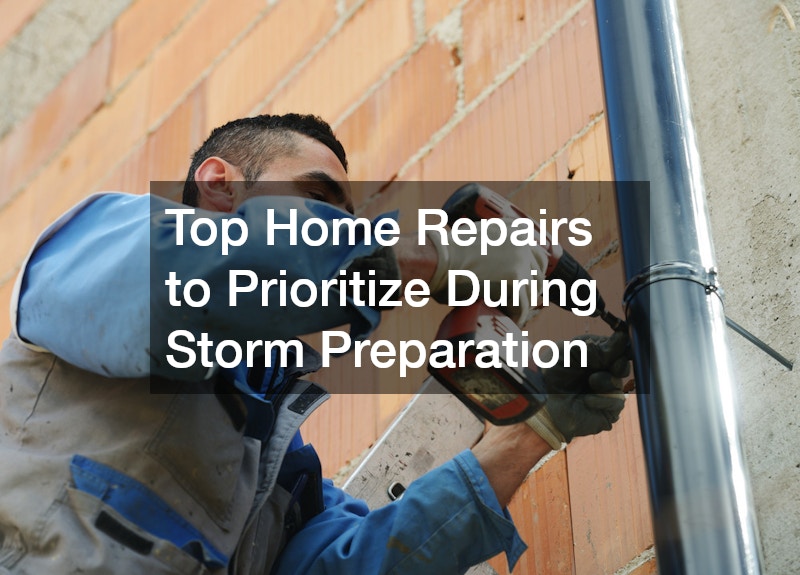
A dripping faucet rarely stays a small problem for long. In an average home, every major system is quietly connected to the next, so a small failure in one area can trigger a cascade of damage, expense, and stress elsewhere. Understanding these hidden connections can help you catch trouble early, protect your budget, and avoid the kind of emergency repairs that upend your schedule and your savings. This article walks through the most common domino effects homeowners face and what to watch for before a minor issue becomes a major one.
Aging Shingles and the Path to Structural Damage
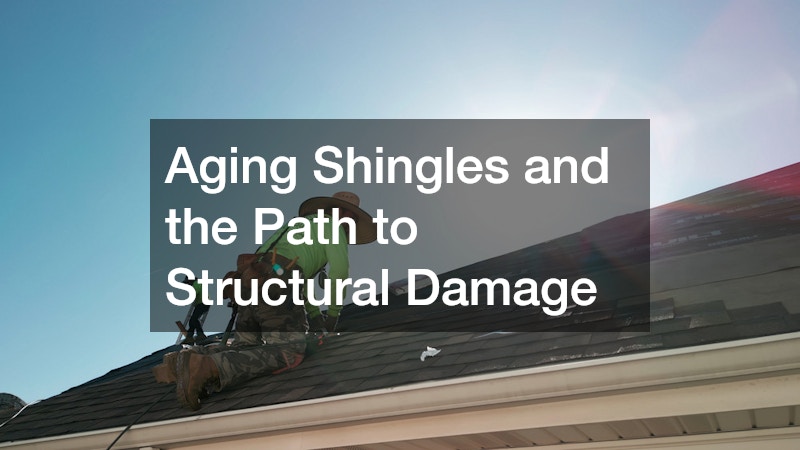
A roof that has outlived its lifespan does more than let in the occasional drip. Once water finds a way past worn shingles or flashing, it travels along rafters and insulation, often showing up far from the original leak. By the time you see a stain on your ceiling, moisture may have already been sitting inside your walls for weeks, feeding mold growth and weakening framing.
This is why a routine inspection from a qualified roofing service matters more than most homeowners realize. Catching lifted shingles, cracked seals, or sagging decking early can prevent thousands of dollars in interior repairs. A licensed residential roofer can also check attic ventilation, since poor airflow accelerates shingle deterioration and creates the moist conditions that invite pests and rot.
- Water stains on ceilings often mean the leak started long before it became visible
- Sagging rooflines can indicate rotted decking underneath
- Missing granules in gutters signal shingles nearing the end of their life
- Poor attic ventilation shortens the lifespan of an otherwise healthy roof
Electrical Panel Overload and Its Effect on Appliances
Your electrical panel is the traffic controller for every outlet, appliance, and system in your home. When it is outdated or undersized for modern demand, it forces circuits to work harder than they should, which shortens the life of everything plugged into them. Flickering lights, warm outlet covers, or a breaker that trips repeatedly are all signs the panel is struggling to keep up.
Ignoring these warning signs can lead to a much bigger problem than an inconvenient reset. An overloaded panel puts stress on your HVAC compressor, refrigerator motor, and water heater elements, all of which rely on stable voltage to run efficiently. A licensed electrician can evaluate whether your panel needs an upgrade before it starts silently damaging the appliances connected to it.
- Frequent breaker trips often point to a panel operating beyond its safe capacity
- Warm or discolored outlet covers suggest overheating wires behind the wall
- Appliances that run inconsistently may be receiving unstable voltage
- Homes over 30 years old often have panels rated well below current usage needs
Outdated Home Wiring and Fire Risk
Wiring problems rarely announce themselves clearly. Instead, they show up as dimming lights when the microwave runs, a faint burning smell near an outlet, or switches that feel warm to the touch. Because wiring runs behind walls and under floors, most homeowners have no idea how much of it has degraded until something fails.
Aluminum wiring installed decades ago, or wiring damaged by rodents, is a leading cause of house fires and should never be treated as a minor inconvenience. Scheduling wiring repair as soon as symptoms appear can prevent a small short from becoming a structural fire. It also protects the sensitive electronics in your HVAC thermostat, security system, and kitchen appliances from erratic power surges.
- A burning smell near outlets or switches is never normal and needs immediate attention
- Discolored switch plates can indicate heat buildup behind the wall
- Buzzing sounds from outlets often mean loose or damaged connections
- Homes with knob-and-tube or aluminum wiring face higher fire risk
Malfunctioning HVAC Systems and Indoor Air Quality
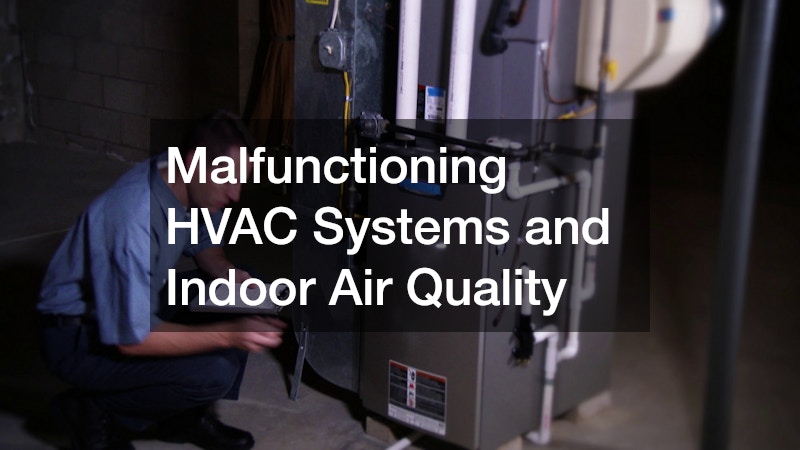
When a heating or cooling system starts to fail, the effects rarely stay contained to temperature comfort alone. A struggling HVAC unit often means poor humidity control, which creates the damp conditions mold needs to grow in ductwork, closets, and even inside walls. Reduced airflow can also mean your system is working overtime, straining electrical circuits and shortening the life of the unit itself.
Timely HVAC repair does more than restore comfort; it protects the air your family breathes and reduces stress on connected systems. A unit that short cycles or runs constantly is often pulling more power than your wiring or panel was designed to handle safely. Addressing the mechanical issue early keeps the problem from spreading into your electrical system or your home’s air quality.
- Uneven temperatures between rooms often signal duct or airflow problems
- Musty odors from vents can indicate mold growth inside ductwork
- A system that runs constantly without shutting off is a sign of inefficiency
- Rising energy bills without a lifestyle change often point to HVAC strain
Failing Well Pumps and Household Water Pressure
For homes on private water systems, the well pump is the quiet workhorse behind every shower, load of laundry, and glass of water. When it starts to fail, symptoms often show up gradually, such as sputtering faucets, reduced pressure, or water that runs cloudy after periods of high demand. Left unaddressed, a struggling pump can burn out entirely, leaving the household without water until repairs are made.
A drop in water pressure is not just an inconvenience; it can also strain fixtures, water heaters, and irrigation systems designed to run at a specific pressure range. Scheduling well repair at the first sign of trouble helps avoid a total system failure during inconvenient times, like a holiday weekend. Regular monitoring of pressure tanks and pump cycles can extend the life of the entire water system significantly.
- Sputtering faucets often mean air is entering the well system
- Cloudy or sandy water can indicate a pump pulling sediment from the well bottom
- Short pump cycling suggests a failing pressure tank
- Sudden pressure drops during high demand point toward pump strain
Overwhelmed Septic Systems and Yard Drainage
A septic system that is nearing capacity gives off warning signs long before it backs up into the home. Slow drains throughout the house, gurgling toilets, and unusually soggy or green patches in the yard near the tank are all early indicators. Because the system operates underground and out of sight, many homeowners miss these signs until the problem becomes an expensive emergency.
Routine septic tank pumping is one of the simplest ways to prevent a full system failure, and most tanks need service every three to five years depending on household size. Skipping this maintenance allows solid waste to build up and eventually clog the drain field, which is a far more costly repair than pumping alone. Keeping heavy vehicles and new landscaping away from the drain field also helps preserve its function over time.
- Slow drains in multiple fixtures at once often point to septic backup, not a single clog
- Soggy or bright green grass over the drain field suggests the system is overwhelmed
- Sewage odor in the yard is a sign the tank needs immediate attention
- Pumping on a regular schedule is far cheaper than replacing a drain field
Hidden Plumbing Leaks and Foundation Stability

Not every leak shows up as a puddle on the floor. Slow leaks inside walls or under slabs can go undetected for months, quietly saturating soil and building materials until cracks appear in drywall or flooring starts to buckle. Because water follows the path of least resistance, a leak in one part of the home can cause damage rooms away from its actual source.
Bringing in experienced plumbers at the first sign of unexplained moisture, high water bills, or musty smells can prevent a minor pipe issue from undermining your home’s foundation. Older galvanized or polybutylene pipes are especially prone to failure and worth having evaluated even if no problem exists yet. Addressing leaks quickly also protects nearby electrical wiring, which can be damaged or become dangerous when exposed to consistent moisture.
- Unexplained spikes in water bills often indicate a hidden leak
- Warped flooring or bubbling paint can mean moisture is trapped behind a surface
- Musty smells without visible mold are worth investigating right away
- Homes built before the 1990s may still have pipe materials prone to failure
Damaged Fencing and Its Ripple Effect on Property Safety
A fence does more than mark a property line; it often protects pets, children, and landscaping investments from outside hazards. Once posts rot or panels loosen, the structure becomes vulnerable to complete collapse during storms, which can damage nearby sheds, vehicles, or even a neighbor’s property. Leaning sections also create gaps that let unwanted wildlife or stray animals into the yard.
Contacting a reputable fence company for repairs at the first sign of leaning posts or splitting wood is far less costly than a full replacement after a storm brings the structure down. Regular fence maintenance also helps preserve curb appeal and resale value, since a damaged perimeter is one of the first things potential buyers notice. Addressing small issues early keeps a simple repair from becoming a safety liability.
- Leaning posts often indicate rotted or shifted footing below ground
- Rust on metal fencing can weaken structural connections over time
- Gaps under the fence line invite pests and small animals into the yard
- Storm damage left unrepaired tends to worsen quickly with each new weather event
Electrical Contractor Involvement in Whole Home Safety Checks
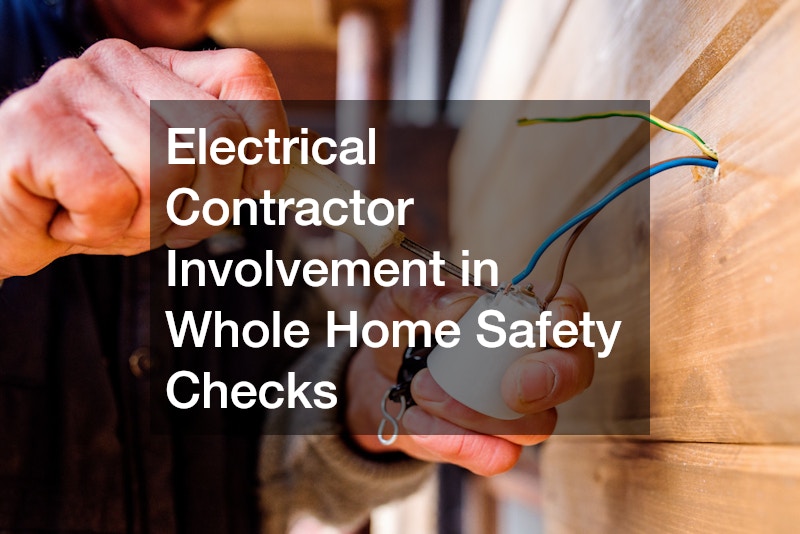
Many of the systems discussed so far intersect at one point: the electrical infrastructure that powers them all. A qualified electrical contractor can assess how your HVAC system, well pump, and septic alarm are all drawing power, identifying weak points before they cause a cascading failure. This includes checking whether your panel has enough capacity for the loads it’s serving, whether circuits are properly dedicated for high-draw appliances, and whether aging wiring or outdated breakers are quietly limiting your home’s ability to handle simultaneous demands.
A thorough inspection typically covers panel amperage, grounding, GFCI and AFCI protection in wet or high-risk areas, and signs of wear like scorch marks, warm outlets, or frequent breaker trips. An electrical contractor can also flag mismatched wire gauges or old aluminum wiring, both of which are common culprits behind slow-building electrical failures that eventually take out connected systems like sump pumps or security systems.
This kind of whole home evaluation is especially valuable after a renovation, when new appliances or additions may have pushed the original system past its intended capacity. It’s equally important when preparing to sell a house with an older electrical system, since buyers’ inspectors will almost certainly flag the same issues, and unresolved ones can stall a sale or trigger costly last-minute negotiations.
Rather than waiting for a single system to fail, scheduling a comprehensive electrical safety check gives homeowners a clear picture of where vulnerabilities exist. A licensed electrical contractor will typically inspect the main panel, breaker capacity, grounding, GFCI and AFCI protection, and the condition of wiring in the attic, basement, and crawl spaces. This proactive step often uncovers outdated wiring, undersized panels, or unsafe DIY work from previous owners that would otherwise go unnoticed.
Homes over 30 years old are especially prone to these hidden issues, since panels rated for 60 or 100 amps rarely meet the demands of modern appliances, HVAC systems, and electric vehicle chargers. A whole-home check can flag aluminum wiring, knob-and-tube remnants, or overloaded circuits before they trigger a breaker trip, a flickering light, or worse, an electrical fire.
Addressing these issues together, rather than one emergency at a time, tends to save both money and stress in the long run. Bundling repairs into a single project often reduces labor costs, minimizes repeated drywall or wall repairs, and allows the contractor to prioritize fixes based on actual risk level rather than which problem happened to fail first.
- Home renovations often reveal outdated wiring — knob-and-tube or aluminum wiring, for instance — that was previously hidden behind walls and never brought up to code
- Older homes (pre-1970s) benefit from a full electrical audit before major appliance upgrades, since original panels are often rated for 60-100 amps versus the 150-200 amps modern homes need
- Safety checks can catch unpermitted or unsafe work done by previous owners, like DIY outlet additions or improperly grounded circuits
- A licensed electrician can also flag warning signs during these checks, such as warm outlets, flickering lights, or breakers that trip repeatedly
- Bundling electrical inspections with other home maintenance — like HVAC servicing or plumbing checks — saves time and money by consolidating contractor visits
- Many electricians offer whole-home safety packages that include panel inspection, GFCI testing, and smoke detector verification for one flat fee
No home system operates in isolation, and the sooner you recognize the early warning signs of trouble, the easier it is to stop a small issue from spreading. Regular inspections, timely repairs, and a willingness to address problems before they become emergencies will save you money and protect the systems you depend on every day. Start by walking through your own home with this list in mind, and schedule the inspections that have been put off longest.