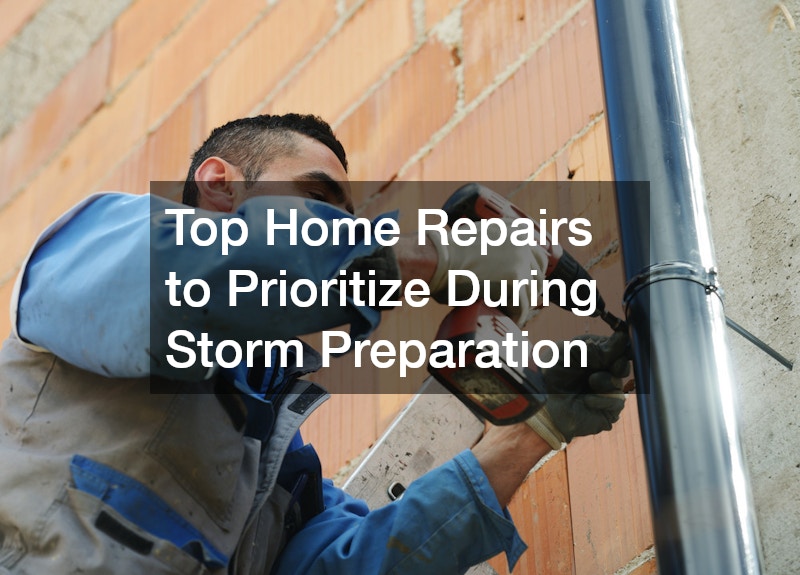
House flipping has become an increasingly popular way for beginners and experienced investors alike to build wealth through real estate. The concept is simple: purchase a property at a low price, improve it through strategic renovations, and sell it for a profit. However, successful house flipping requires more than enthusiasm and a willingness to renovate. It takes careful planning, financial discipline, market knowledge, and a solid understanding of construction. For beginners, learning the core principles of flipping helps minimize risk and establishes a foundation for long-term success.
A well-executed flip can generate significant returns, but mistakes can quickly turn a promising investment into an expensive lesson. Buyers today expect modern, move-in-ready homes, which means flippers must understand which upgrades matter most and which properties offer the best profit margins. By taking the time to learn the essentials—budgeting, choosing the right property, understanding repairs, and working with reliable professionals—new investors can approach house flipping with confidence. The goal is to make informed decisions that turn distressed properties into valuable assets.
Understanding the Basics of House Flipping

The first step in any successful flip is understanding what the process actually involves. House flipping requires identifying undervalued properties, estimating renovation costs, calculating potential resale value, and completing improvements efficiently. It also requires the ability to evaluate risk, analyze comparable homes, and determine whether a project aligns with your financial goals. Many beginners underestimate the time commitment and overlook hidden issues that can arise during renovation. Learning the basics early helps you avoid costly surprises and approach each step with clarity.
Because house flipping relies heavily on renovation work, many investors begin by consulting or partnering with house remodeling contractors who can provide insight into repair needs, code requirements, and cost estimates. Understanding the renovation process from a contractor’s perspective helps beginners make smarter choices when analyzing potential flip properties. By grounding your approach in accurate repair knowledge and practical expectations, you set yourself up for more predictable and profitable outcomes.
Setting a Realistic Budget
Budgeting is one of the most important components of a successful house flip. A realistic budget accounts for the purchase price, renovation costs, permits, inspections, financing, holding expenses, and closing fees. Many first-time flippers run into trouble by underestimating renovation costs or failing to include contingencies for unexpected repairs. Setting aside extra funds for surprises ensures that the project stays on track even when issues arise. A detailed budget also helps you evaluate whether a potential property has enough profit margin to justify the investment.
Operational expenses add up quickly as well, and beginners must consider everything from utility costs to temporary heating sources such as heating oils during winter renovations. These holding costs can reduce profitability if not factored into the budget early. By understanding every financial aspect of the project—from initial purchase to final sale—you can maintain control over expenses and safeguard your return on investment.
Choosing the Right Property

Selecting the right property is one of the most decisive factors in determining whether a flip will be profitable. Beginners should look for homes priced below market value that require mostly cosmetic updates rather than major structural repairs. Properties in desirable neighborhoods with strong resale demand tend to sell faster and at higher prices, making them ideal for flipping. It’s also important to analyze comparable home sales in the area to understand realistic resale values and avoid overpaying for a property that cannot generate sufficient profit.
In some cases, beginners benefit from consulting home builders to better understand a property’s potential and any limitations that may affect renovation plans. Builders can identify structural concerns, recommend cost-effective layout improvements, and determine whether the home’s foundation and framing can support more substantial upgrades. Their insight helps new flippers avoid purchasing properties with hidden issues that could derail timelines or eat into profits. With the right property and guidance, beginners set the stage for a successful flip that aligns with market expectations.
Evaluating Repair and Renovation Needs
Accurately evaluating repair and renovation needs is essential for planning a profitable flip. This process involves inspecting the property thoroughly, identifying necessary repairs, and distinguishing between cosmetic improvements and critical structural issues. Common renovation areas include flooring, paint, kitchens, bathrooms, roofing, electrical systems, and plumbing. Knowing the difference between must-fix problems and value-adding upgrades helps beginners prioritize their budget effectively and avoid overspending on features that will not significantly increase resale value.
Exterior upgrades often require specialized services as well, such as working with an asphalt paving company if the driveway or walkways need resurfacing. Improving curb appeal is a major factor in attracting buyers, and addressing exterior surfaces can dramatically impact the first impression of the home. By understanding the full scope of repairs—inside and out—beginners can develop a realistic renovation plan that maximizes returns while avoiding unnecessary costs. Thorough evaluation prevents surprises and keeps the project aligned with its intended profit goals.
Building a Reliable Contractor Team

Flipping a house requires a dependable team of professionals who can complete repairs efficiently and at a high standard. Beginners often underestimate the importance of working with licensed, trustworthy contractors who communicate clearly and stay on schedule. A reliable team may include general contractors, electricians, plumbers, roofers, painters, and flooring specialists. Vetting contractors through reviews, references, and previous work examples helps ensure the quality needed to produce a market-ready home. Strong partnerships also reduce stress by minimizing delays and improving workmanship.
Because timing is critical in house flipping, coordinating tasks such as moving materials, clearing rooms, and transporting supplies becomes a key part of the workflow. Managing these logistics effectively may involve planning around moving schedules or coordinating deliveries to avoid bottlenecks in the renovation process. A skilled contractor team can guide beginners through these challenges, offering solutions that keep the project moving forward. Building strong relationships with reliable professionals sets a solid foundation for future flips and long-term success in real estate investing.
Researching Local Real Estate Markets
Understanding the local real estate market is essential for making informed decisions during every stage of a house flip. Market research helps beginners identify neighborhoods with strong buyer demand, rising property values, and desirable amenities. By studying recent sales, active listings, and price trends, flippers can determine which areas offer the best potential for fast, profitable resales. It is also important to understand the types of homes buyers in that area prefer—such as modern updates, open floor plans, or large yards—so that renovations can be tailored to meet market expectations. A property that aligns with buyer preferences will attract more interest and sell more quickly.
Market research also involves analyzing local regulations, property taxes, and renovation restrictions that could affect the project’s timeline or financial outcome. Understanding how long homes typically stay on the market helps flippers estimate carrying costs and plan renovation timelines strategically. Many beginners also account for practical needs like waste management, making services such as dumpster rental essential during extensive remodels. Access to efficient debris removal keeps the job site clean, helps contractors work more efficiently, and prevents delays. When beginners understand their market fully and plan accordingly, they make smarter investments and position their flips for maximum success.
Planning an Effective Renovation Timeline

A well-organized renovation timeline is crucial for both controlling costs and keeping the flip on schedule. The longer a property remains under construction, the more carrying expenses accumulate—including utilities, taxes, insurance, and loan interest. Creating a timeline means mapping out each phase of the renovation, prioritizing structural repairs before cosmetic upgrades, and scheduling contractors in the correct order. It also involves anticipating delays, ordering materials early, and having contingency plans for weather or supply shortages. A clear timeline helps the entire team stay aligned and reduces the likelihood of costly setbacks.
Coordinating installations—such as a replacement window upgrade—within the timeline ensures that essential improvements happen at the right stage of construction. Replacing windows early in the renovation helps seal the home, improve energy efficiency, and provide natural light for contractors as interior work continues. Proper sequencing prevents contractors from working around incomplete installations and reduces the risk of damage to newly finished surfaces. A strategic timeline not only keeps the project running smoothly but also improves the overall quality of the finished home, helping it stand out in the market.
Avoiding Common House-Flipping Mistakes
House flipping comes with risks, but many challenges can be avoided by understanding common mistakes. One frequent error is underestimating renovation costs, especially when unexpected structural issues arise. Another is overestimating the after-repair value (ARV), leading investors to assume a property will sell for more than the market actually supports. Some beginners also make the mistake of choosing trendy finishes instead of durable, broadly appealing designs that resonate with the majority of buyers. Avoiding these pitfalls requires careful planning, honest budgeting, and realistic expectations grounded in market data.
Operational missteps can cause significant setbacks as well. For instance, beginners may forget to factor in the cost or timing of essential updates such as deciding to replace garage doors, which can greatly influence curb appeal and buyer interest. Delaying exterior improvements can slow down showings or create inconsistencies in the renovation’s overall presentation. Avoiding mistakes means staying organized, working with professionals, and making decisions based on logic rather than emotion. When flippers learn to anticipate challenges and avoid common errors, they protect both their investment and their long-term flipping potential.
Staging and Marketing the Finished Home
Staging and marketing are crucial final steps that help transform a renovated property into a home buyers can visualize themselves living in. Effective staging highlights the property’s best features, creates inviting and functional spaces, and helps potential buyers emotionally connect with the home. Neutral color palettes, balanced furniture arrangements, and clean, uncluttered surfaces allow buyers to imagine their own belongings in the space. Staged homes consistently sell faster and at higher prices because they present the property in its most attractive light and make it easier for buyers to appreciate the full value of the renovations.
A well-staged home also requires a meticulous final cleaning to ensure every room looks pristine. Many flippers collaborate with an upholstery cleaning company to refresh furniture pieces used in staging or to remove dust and debris left from construction work. Clean, fresh-smelling upholstery elevates the presentation and makes the home feel more polished and move-in ready. Beyond staging, strong marketing—including professional photography, compelling listing descriptions, virtual tours, and targeted advertising—ensures the home reaches the right audience and generates maximum interest. When staging and marketing are executed well, they significantly increase the chances of a quick, profitable sale.
Calculating Your Final Profit
Once the home is prepared for sale, calculating the final profit helps flippers understand the true return on their investment. This process involves subtracting all expenses—including purchase price, renovation costs, holding costs, financing fees, permit expenses, marketing costs, and agent commissions—from the final sale price. A clear, accurate profit calculation allows investors to evaluate what went well, identify areas to improve, and refine their strategy for future flips. It also highlights which types of upgrades yielded the best return and which expenses had the greatest impact on the overall project.
House flippers also factor in ancillary expenses such as cleanup and waste removal, often relying on local dumpster rentals throughout the project. These services make large-scale renovations more efficient and help maintain clean work areas that support faster progress. Including even these smaller operational costs in the profit analysis gives investors a more complete picture of their total spending. By carefully reviewing the financial outcome of each flip, beginners can learn valuable lessons, adjust their processes, and become more successful with future investments.
House flipping offers an exciting pathway into real estate investing, but it requires discipline, market knowledge, and smart decision-making to be truly profitable. Beginners must learn to evaluate properties thoroughly, estimate renovation costs accurately, and build a reliable team capable of transforming distressed homes into desirable listings. Every step—from choosing the right property to staging the finished home—plays a meaningful role in determining the flip’s success. When these elements align, flipping can generate substantial returns and open the door to long-term wealth-building opportunities.
Successful flippers understand that renovation is only half the equation; the other half is strategy. Conducting market research, creating realistic budgets, planning renovation timelines, and avoiding common mistakes help investors stay ahead of challenges and minimize risks. Each project teaches valuable lessons that strengthen future decision-making. By paying attention to buyer preferences and making upgrades that balance aesthetics, functionality, and cost efficiency, flippers increase the likelihood of higher resale values.
Ultimately, house flipping is as much about planning as it is about construction. With patience, preparation, and a commitment to continuous learning, beginners can turn their first flip into a rewarding accomplishment. The more experience you gain, the better you become at identifying profitable opportunities, managing renovations, and maximizing returns. With the right foundation, house flipping can evolve from a single project into a sustainable investment strategy that delivers long-term financial growth.