
Many serious home repair issues begin quietly. A faint odor, a small stain, a strange appliance noise, or a slight change in water pressure may not seem urgent at first. However, these small warning signs can point to larger problems hiding behind walls, under floors, inside mechanical systems, or around the exterior of the home.
Fast repairs matter because hidden damage often worsens over time. Water spreads. Pests multiply. Heating systems wear down. Structural movement can continue. Air quality problems can affect health without leaving obvious clues. Homeowners who learn to recognize early warning signs can often avoid expensive emergency repairs and protect the comfort, safety, and value of their homes.
The key is knowing which problems should never be ignored. Some issues can wait until a scheduled maintenance visit, but others require quick action before they cause property damage or pose safety risks.
Notice Small Appliance Warning Signs

Built-in appliances can create hidden household problems when they stop working correctly. A strange sound, burning smell, jammed mechanism, or slow operation may be easy to overlook, especially if the appliance still works part of the time. However, small mechanical issues can lead to motor damage, electrical problems, odors, and sanitation concerns.
Trash compactors are a good example. When they jam, fail to compress waste, leak, or make grinding noises, the problem can spread beyond the appliance itself. Waste buildup can create unpleasant smells, attract pests, and affect nearby cabinets or flooring. Professional trash compactor repair services can help identify whether the issue involves the motor, switch, drawer track, ram, wiring, or another internal component.
Ignoring appliance problems can turn a small repair into a full replacement. It can also create messes that affect nearby surfaces. If an appliance is built into cabinetry, fast attention is especially important, as damage may remain hidden until it becomes more expensive to fix.
Watch for Changes in Water Flow
Water pressure changes are often an early warning sign of a hidden household issue. Faucets may sputter, water may appear cloudy, pressure may drop suddenly, or flow may become inconsistent from one fixture to another. These symptoms can point to clogged lines, pump problems, pressure tank issues, leaks, sediment buildup, or failing equipment.
Homes that rely on private wells need extra attention. A small issue with the well system can affect the entire household water supply. Well pump services can help homeowners address problems with pumps, pressure switches, tanks, wiring, and related components before the home loses reliable water access.
Common signs of trouble include:
- Short bursts of water followed by low pressure
- Air sputtering from faucets
- Dirty or discolored water
- Strange sounds near the pressure tank
- Water pressure that changes throughout the day
- A pump that runs constantly or cycles frequently
Homeowners should not assume these problems will fix themselves. Low pressure may be more than an inconvenience. It can signal a mechanical issue, an underground leak, or a failing system component. Quick service can help prevent water loss, equipment burnout, and larger repair costs.
Take Underground Systems Seriously
Some of the most important home systems are hidden underground. Water lines, drainage systems, utility connections, and energy systems may all operate out of sight. Because these systems are difficult to inspect, homeowners may only notice a problem when performance changes inside the home or when damage appears in the yard.
Uneven heating and cooling, damp soil, unusual yard settling, or unexplained changes in utility performance can all suggest concerns with underground systems. For homeowners considering high-efficiency energy upgrades, geothermal drilling requires careful planning and professional knowledge. The drilling process must account for soil conditions, underground utilities, property layout, and long-term system performance.
Poorly planned underground work can create problems such as:
- Yard damage
- Drainage issues
- Utility conflicts
- Inefficient system performance
- Soil disruption
- Costly correction work
Homeowners should never treat underground work as a simple improvement project. It requires site evaluation, proper equipment, and a clear understanding of local conditions. Whether the issue involves repair, replacement, or installation, professional planning reduces the risk of hidden problems later.
Inspect the Exterior After Severe Weather
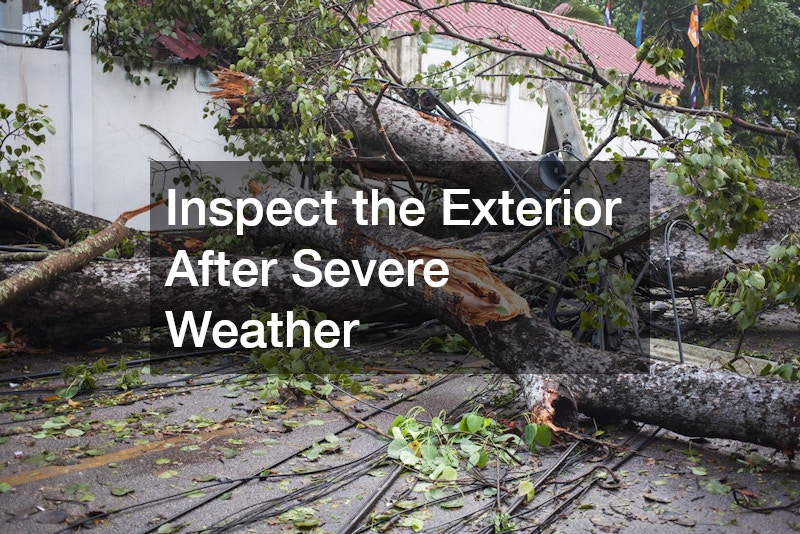
Storm damage is not always obvious from the ground. After hail, high winds, or heavy rain, a home may look mostly fine while small cracks, dents, loosened materials, or roof bruising remain hidden. Over time, these weak points can allow water to enter the structure.
Hail damage repair may be needed when roofing, siding, gutters, windows, or exterior trim have been affected by a storm. Even minor dents or cracks can shorten the lifespan of exterior materials. Damaged shingles may lose protective granules, gutters may pull away, and siding may allow moisture behind the surface.
Homeowners should check for:
- Dented gutters or downspouts
- Missing or damaged shingles
- Granules near downspout exits
- Cracked siding
- Water stains in attic spaces
- Damaged window screens or frames
- New leaks after storms
Fast inspection matters because water intrusion can lead to mold, rot, insulation damage, and structural problems. If damage is found early, repairs may be simpler and less costly.
Respond to Structural Red Flags
Small structural signs can point to bigger hidden problems. A crack in drywall, a sticking door, a sloping floor, or a sagging roofline may seem minor, but these changes can indicate movement, settlement, framing issues, moisture damage, or foundation concerns.
Not every crack is a crisis. Homes naturally expand, settle, and shift over time. However, changes that appear suddenly, spread quickly, or occur with other warning signs should be inspected. Local building construction professionals can help evaluate framing, additions, repairs, and structural concerns to determine whether the issue is cosmetic or more serious.
Warning signs that need attention include:
- Doors or windows that suddenly stick
- Diagonal cracks near openings
- Uneven or bouncy floors
- Gaps between walls and ceilings
- Sagging rooflines
- Cracks that continue growing
- Water damage near structural areas
Homeowners should document changes with photos and dates. This can help professionals determine whether the issue is stable or progressing. Fast evaluation is important because structural problems can become harder and more expensive to repair if they continue unchecked.
Act Quickly When Moisture Appears
Moisture is one of the most damaging hidden household problems. A small leak behind a wall, under a floor, or beneath a slab can spread quietly for weeks or months. By the time homeowners notice visible damage, the problem may already involve mold, rot, warped flooring, damaged drywall, or ruined insulation.
Leak detection repair services can help locate hidden water problems without unnecessary demolition. Specialized tools may identify moisture behind walls, under floors, or around plumbing fixtures. This allows homeowners to address the source of the issue before repairing cosmetic damage.
Signs of hidden moisture include:
- Musty odors
- Peeling paint or bubbling drywall
- Warped flooring
- Stains on ceilings or walls
- Unexplained increases in water bills
- Damp carpet or baseboards
- Mold growth near fixtures
- Soft spots in floors or cabinets
Homeowners should never ignore a stain just because it appears dry. The leak may be intermittent, such as one that occurs only during rain or when a specific fixture is used. Moisture can also travel, meaning the visible stain may be far from the actual source.
Fast action can protect the home’s structure and indoor air quality. The longer water remains hidden, the greater the risk of costly repairs.
Replace Failing Heating Equipment Before Breakdown
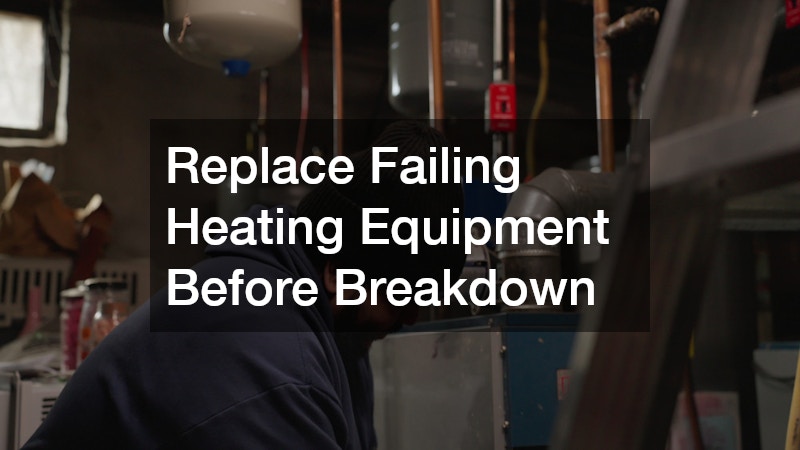
Heating problems often develop slowly. A furnace may become noisier, less efficient, or less reliable long before it stops working completely. Homeowners may notice uneven temperatures, frequent cycling, strange smells, rising utility bills, or rooms that never feel warm enough.
A furnace installation service may be the right solution when an older unit is unsafe, inefficient, or too costly to keep repairing. Replacement can be especially important before colder weather arrives, when heating systems are under the most demand.
Some heating issues can be repaired, but repeated problems may indicate that replacement is more cost-effective. An aging system can also create safety concerns if it has cracked components, poor ventilation, or combustion problems.
Test for Invisible Indoor Hazards
Not every household problem can be seen, smelled, or heard. Some indoor air concerns remain invisible while still affecting long-term safety. Radon is one example. It can enter homes through foundations, crawl spaces, slab openings, and cracks in lower levels.
A radon testing service can determine whether levels are elevated and whether mitigation is needed. Testing is especially important for homes with basements, finished lower levels, crawl spaces, or foundation openings. Because radon cannot be detected by human senses, testing is the only way to know whether it is present at concerning levels.
Homeowners should consider testing when:
- Buying or selling a home
- Finishing a basement
- Creating lower-level living space
- After major foundation work
- If the home has never been tested
- If previous test results are outdated
If a test shows elevated levels, mitigation systems can often reduce the problem. The important step is identifying the issue early, rather than assuming the home is safe because there are no obvious signs.
Stop Pest Problems Early
Pests often begin as a small nuisance. A few ants near a window, a trail near the kitchen, or activity around a bathroom may not seem like a major problem. However, recurring pest activity can indicate moisture issues, food sources, wall voids, cracks, or exterior entry points.
Ant control is most effective when it targets the source of the problem. Spraying visible ants may provide temporary relief, but it may not address the colony, entry points, or the conditions that attract them. Homeowners should look for patterns, such as activity after rain, near plumbing fixtures, or around doors and windows.
To reduce ant problems:
- Seal cracks and gaps
- Store food in closed containers
- Clean crumbs and spills quickly
- Repair moisture issues
- Trim vegetation away from the home
- Keep trash areas clean
- Check window and door seals
- Avoid leaving pet food out overnight
Ants can sometimes reveal hidden household problems. For example, ants near a bathroom may suggest a moisture issue. Ants near exterior walls may indicate gaps or cracks that need to be sealed. Addressing the cause helps prevent repeated infestations.
Know When DIY Pest Fixes Are Not Enough

Some pest problems require more than store-bought traps or sprays. If activity continues after basic cleaning and sealing, the infestation may be hidden behind walls, in crawl spaces, in attics, or around the foundation. In these cases, professional identification is important.
An exterminator can determine what type of pest is present, where it is coming from, and how to treat the source. This matters because different pests require different solutions. Treating the wrong pest or using the wrong product can waste time and allow the problem to grow.
Homeowners should call for help when:
- Pest activity returns after DIY treatment
- Insects appear in multiple rooms
- Droppings, nests, or damage are found
- Pests are seen during daytime in unusual numbers
- There are signs of chewing or scratching
- The problem involves stinging insects or rodents
- The infestation may affect food areas or bedrooms
Professional pest control can also help identify conditions that support infestations, such as moisture, clutter, exterior gaps, wood debris, or poor sanitation. The goal is not only to remove pests but also to prevent them from returning.
Create a Fast-Response Repair Checklist
When a hidden household problem appears, homeowners should respond calmly but quickly. A simple checklist can help prevent damage while making it easier to explain the issue to a professional.
Some problems require immediate action. Active leaks, electrical burning smells, gas odors, storm damage, structural movement, sewage backups, and major pest infestations should not wait. Other issues may allow for scheduled service, but they should still be addressed before they spread.
Homeowners should also keep a list of trusted repair providers before emergencies happen. This reduces stress when fast decisions are needed.
Prevent Problems With Routine Inspections
The best way to manage hidden household problems is to look for them before they become emergencies. Routine inspections help homeowners catch small issues early and plan repairs on their own timeline.
Prevention is usually less expensive than emergency repair. A small leak caught early may require a simple fix, while a hidden leak left alone may lead to mold remediation and major reconstruction. The same is true for pests, heating equipment, storm damage, and structural concerns.
Hidden household problems should never be ignored just because they seem small, quiet, or out of sight. A minor stain, a strange sound, weak airflow, a pest trail, or a change in water pressure can be the first sign of a larger issue developing behind the scenes.
Fast repairs help protect the home from water damage, unsafe conditions, pest infestations, poor indoor air quality, system failure, and structural decline. The sooner homeowners respond, the more control they usually have over the cost, timing, and scope of repairs.
A well-maintained home depends on awareness and action. By regularly inspecting, documenting changes, and calling qualified professionals when needed, homeowners can prevent small, hidden problems from turning into major repairs.