Dealing with the aftermath of a home fire is one of the most overwhelming experiences a homeowner can face, both emotionally and physically. Beyond the visible damage, there are hidden hazards—such as structural instability, lingering smoke contamination, and compromised electrical systems—that require careful attention. Taking a thoughtful, step-by-step approach to cleanup and repair is not just helpful—it’s essential for protecting your safety and ensuring a successful recovery.
By following a clear plan, homeowners can move through each phase with greater confidence, from securing the property and assessing the damage to coordinating professional restoration and navigating insurance claims. While the process may feel daunting at first, breaking it down into manageable steps makes it far more achievable.
It’s also important to recognize that you don’t have to handle everything alone. Fire restoration professionals, insurance adjusters, and contractors all play a valuable role in helping return your home to a safe and livable condition. Relying on experienced support can save time, reduce stress, and prevent costly mistakes.
Ultimately, recovery after a fire is not just about rebuilding a structure—it’s about restoring a sense of normalcy and peace of mind. With patience, the right resources, and a well-informed approach, homeowners can successfully navigate the cleanup and repair process and begin moving forward with confidence.
Understanding and Installing Alarm Systems
A critical step in preventing fires is the proper installation and ongoing maintenance of a fire alarm. These systems serve as an early warning mechanism, detecting smoke or heat and alerting occupants before a fire can spread uncontrollably. This early detection is often the difference between a minor incident and a devastating loss, as it provides valuable time to evacuate safely and contact emergency services.
There are several types of fire alarms available, each designed to meet different needs within the home. Ionization alarms are highly responsive to fast-flaming fires, while photoelectric alarms are better suited for detecting slow, smoldering fires that produce significant smoke. For maximum protection, many safety experts recommend installing dual-sensor alarms or a combination of both types throughout the home. Placement is equally important—alarms should be installed in every bedroom, outside sleeping areas, and on each level of the home, including basements.
Regular testing and maintenance are essential to ensure reliability. Homeowners should test alarms monthly, replace batteries at least once a year (or as needed), and check the manufacturer’s guidelines for full unit replacement, typically every 8–10 years. Neglecting maintenance can render even the most advanced system ineffective, so establishing a routine is key to ongoing safety.
Investing in advanced fire alarm systems can further enhance protection. Many modern systems are equipped with smart technology that sends alerts directly to your smartphone, allowing you to respond quickly even when you are away. Some systems can also be integrated with home security networks or directly connected to emergency services, ensuring a rapid response in critical situations. These features not only improve safety but can also increase your home’s overall value and appeal.
When selecting a fire alarm system, it’s important to consider your home’s layout, size, and specific risk factors, such as the presence of fireplaces, kitchens, or older wiring. Ensuring compliance with local building codes and fire safety regulations is also essential. Consulting with a licensed professional can help guarantee proper installation and optimal placement for maximum effectiveness.
Assessing the Extent of Damage
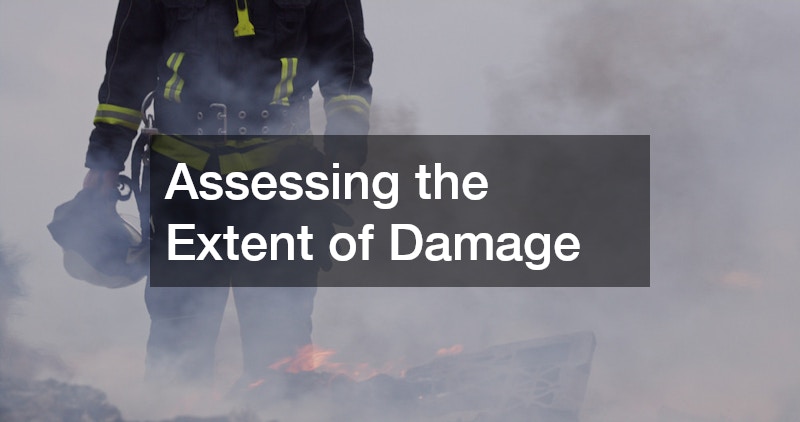
After ensuring all occupants are safe and firefighters have left, it’s time to assess the extent of fire damage. Begin with an external inspection to identify any visible structural issues or major roof damage. Understanding the full scope of damage helps in planning the necessary repairs and prioritizing urgent needs.
A thorough damage assessment should include both visible and hidden damage. Smoke and water used to extinguish the fire can cause significant harm that is not immediately apparent. Engaging professionals who specialize in fire damage assessment can provide a more accurate picture and inform your next steps.
Documenting the damage for insurance purposes is also a crucial step. Take photographs and video recordings of all affected areas before starting any cleanup or repairs. This documentation will support your claims process with your insurance provider and ensure you receive the necessary support for restoration.
The Role of Fire Protection Teams in Cleanup
Fire protection services play a pivotal role in both preventing fires and assisting in the aftermath. They can conduct thorough inspections to identify potential fire hazards and suggest improvements for safety. Engaging such services post-fire ensures that professional standards are maintained during cleanup and repair.
These services often offer firefighting expertise, smoke, and soot removal, which are crucial in post-fire scenarios. The removal of smoke and soot is essential to prevent health hazards and further property damage. With their involvement, homeowners can ensure the affected site is restored to a safe environment swiftly.
Additionally, fire protection services can provide valuable advice on measures to prevent future incidents. This might include strategic placement of fire alarms, installation of fire extinguishers, and creating a fire evacuation plan. This comprehensive approach is instrumental in fostering a safer home environment going forward.
Removing the Damage and Its Challenges
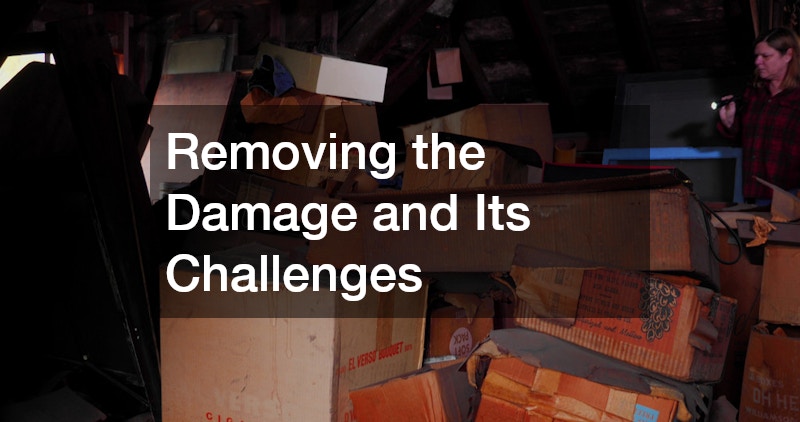
Fire damage removal is a complex and challenging process that involves multiple steps and expertise. The challenges begin with the need to clear debris and assess structural integrity before any restoration can happen. The use of professional restoration companies can significantly mitigate these challenges with their specialized skills and equipment.
Removing soot and smoke residues poses another major challenge due to their pervasive nature. They can penetrate walls, flooring, and ventilation systems, causing lingering odors and damage if not thoroughly cleaned. Professionals use specific techniques and equipment to ensure all residues are completely removed.
The importance of professional help cannot be overstated, as improper cleaning can lead to further structural and health issues. Restoration companies not only clean but also disinfect affected areas to ensure a safe and habitable environment. Their experience in fire damage removal is invaluable to homeowners facing such daunting tasks.
Collaborating with Restoration Services
Engaging with restoration companies is a wise decision in the aftermath of a house fire. These companies specialize in assessing and repairing fire damage, offering a comprehensive approach to get your home back to its original state. It is crucial to select a reputable company with a track record of delivering efficient and effective restoration services.
Restoration companies assist every step of the way, from initial damage assessment to the final touches of repair. Their expertise in dealing with insurance claims makes the recovery process smoother for homeowners. By handling intricate repairs, they ensure that all safety standards are met and the integrity of the home is restored.
Furthermore, these professionals can often restore personal belongings that seem irrecoverable. Their use of advanced restoration techniques often breathes new life into furniture, clothing, and other valuables. When selecting a restoration company, inquire about their services and any guarantees offered to ensure peace of mind throughout the process.
Addressing Structural and Superficial Repairs
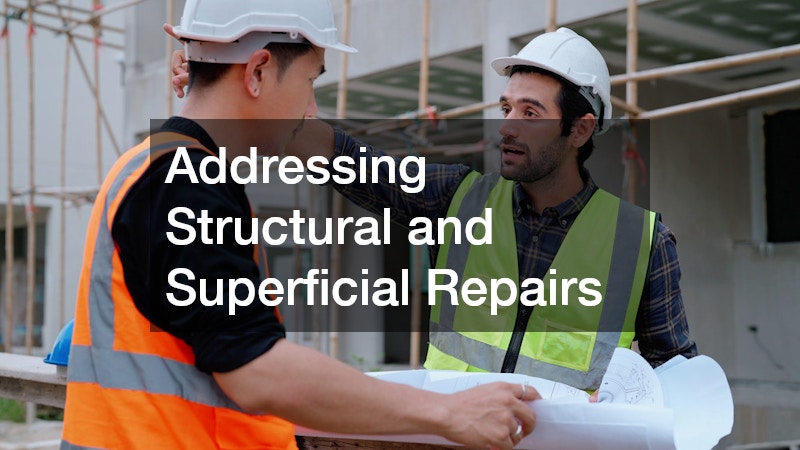
Once initial assessments and cleanups are complete, the next focus is on structural and superficial repairs. This often involves comprehensive tasks such as door repairs, which are essential in restoring security and functionality to the home. It’s important to prioritize repairs based on safety concerns and the availability of materials.
In addition to door repairs, evaluating the need for appliance repairs is necessary. Fire can cause significant damage to appliances, potentially making them unsafe to use. Evaluating which appliances can be repaired or need replacing is a cost-effective step in rebuilding after a fire.
Superficial repairs, including repainting and replacing damaged fixtures, are integral to restoring the home’s appearance. These tasks are often the final steps in rehabilitation, signaling a return to normalcy. A balanced approach ensures that both the aesthetics and functionality are addressed during restoration.
Considering the Necessity of Replacing Your Roof
In severe fire scenarios, the roof often sustains extensive damage necessitating replacement. A compromised roof can lead to further damage from weather elements and increase the risk of structural instability. Assessing whether a roof can be repaired or requires full replacement is vital to the overall integrity of the home.
A professional inspection will reveal the extent of the damage and the best course of action. If replacement is needed, it is an opportunity to improve the home’s insulation and energy efficiency. Opting for durable, fire-resistant materials during replacement can offer added protection against future incidents.
Roof replacement is a significant investment but crucial for ensuring the safety and longevity of your home. Ensuring professional installation will not only enhance the home’s safety but also increase its market value. Engaging a trusted contractor can guarantee a quality outcome that meets safety and building regulation standards.
Managing Waste Removal After a Fire
Post-fire waste removal is a task often overlooked but critical to the cleanup process. Accumulated debris and hazardous materials must be carefully managed to prevent further risk. Engaging a waste removal service ensures that all debris is safely and legally disposed of in accordance with local regulations.
An effective waste removal strategy not only facilitates a cleaner and safer site for repairs but also reduces environmental impact. Professional services offer specialized equipment and personnel trained to handle hazardous waste, making them an invaluable asset post-fire. Their expertise in sorting and disposing of waste properly can prevent health hazards associated with fire debris.
Coordinating waste removal with your overall cleanup schedule can streamline the restoration process. As different stages of repair and restoration progress, various types of waste will need addressing, from damaged furniture to construction debris. Having a plan in place for waste removal is essential to maintaining momentum toward recovery.
Preventing Future Fires Through Smart Home Upgrades
Once the cleanup and restoration process is complete, homeowners have a valuable opportunity to take proactive steps toward preventing future fires. Investing in smart home upgrades and modern safety features can significantly reduce risk and provide peace of mind moving forward.
One of the most effective improvements is upgrading to smart fire detection systems. These devices go beyond traditional alarms by sending real-time alerts to your phone, even when you’re away from home. This early notification can make a critical difference in minimizing damage and ensuring a faster emergency response. Many systems also integrate with other smart home features, such as automatically shutting off HVAC systems to prevent smoke circulation.
Upgrading electrical systems is another important consideration. Outdated wiring and overloaded circuits are common causes of residential fires. Having a licensed electrician inspect and modernize your home’s electrical infrastructure can eliminate hidden hazards and improve overall safety. Similarly, installing surge protectors and dedicated circuits for major appliances can further reduce fire risks.
Fire-resistant materials can also play a key role in prevention. When rebuilding or renovating, consider using fire-rated insulation, drywall, roofing materials, and doors. These materials are designed to slow the spread of flames, giving occupants more time to evacuate and reducing overall damage.
Additionally, incorporating fire suppression tools—such as residential sprinkler systems or strategically placed fire extinguishers—adds another layer of protection. Even small upgrades, like using flame-retardant furnishings and maintaining defensible space around the home, can make a meaningful difference.
By taking these preventive measures, homeowners not only protect their investment but also create a safer living environment for their families. Recovery from a fire is never easy, but it can serve as a turning point—an opportunity to rebuild stronger, smarter, and more resilient than before.